Cold Plunge Benefits for Athletes: What the Science Says

Cold Plunge Benefits for Athletes: What the Science Says

Cold plunge therapy has gone from a niche recovery hack to one of the most talked-about tools in sports performance. You've probably seen professional athletes, UFC fighters, and even podcasters stepping into ice-cold water and claiming it transformed their recovery. But what do the cold plunge benefits for athletes actually look like when you strip away the hype?

At NeoFit Performance in D'Iberville, Mississippi, we offer cold plunge sessions as part of our comprehensive recovery program. We've seen firsthand how it helps our athletes recover faster and train harder. But we also believe in being honest about what the science supports — and what it doesn't.

Here's what you need to know.

What Is Cold Plunge Therapy?

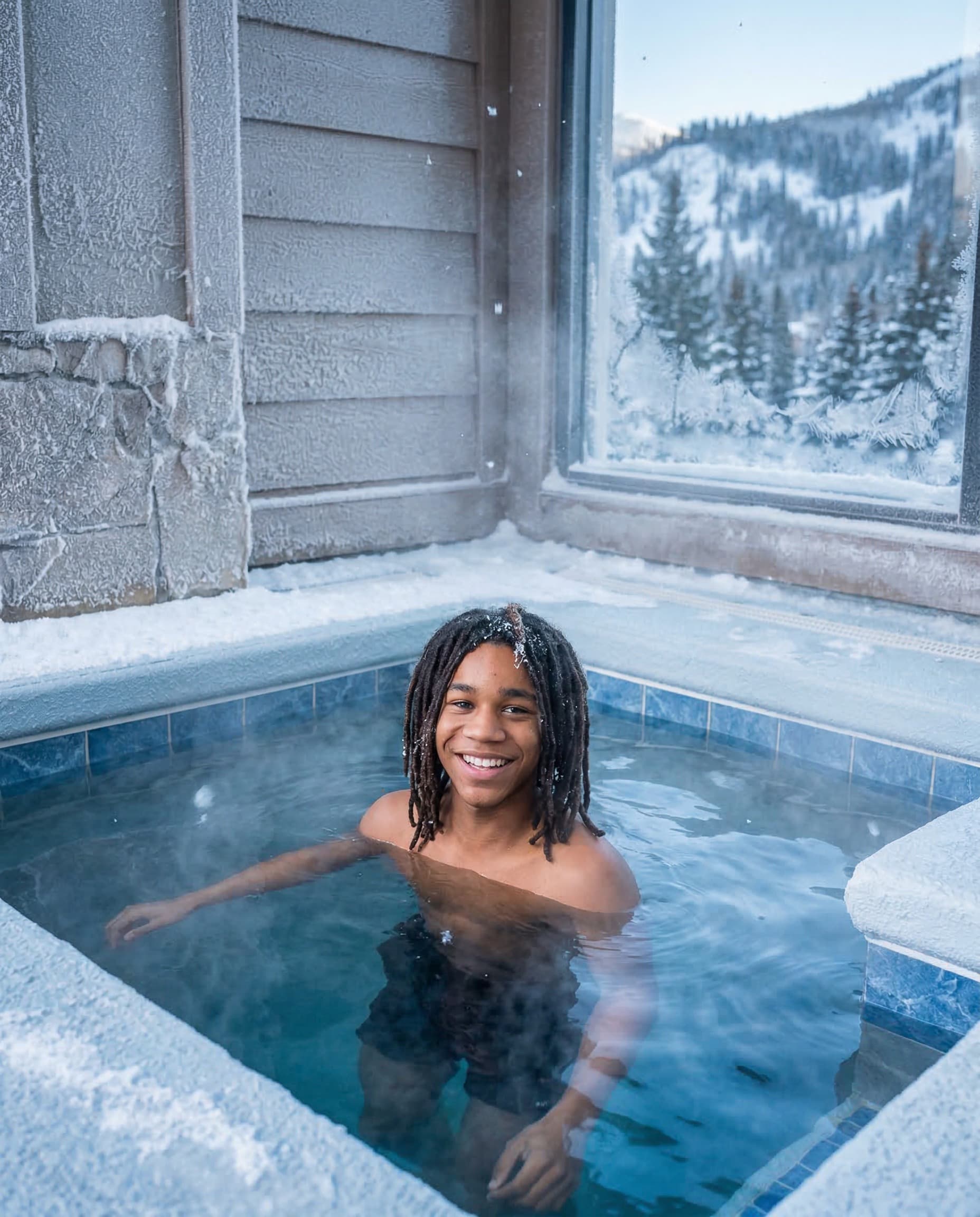
Cold plunge therapy, also known as cold water immersion or CWI, involves submerging your body in water typically between 38°F and 59°F for a set period of time, usually between two and five minutes. It's a form of cryotherapy that's been used in sports medicine for decades, but it's recently exploded in popularity thanks to social media and athletes sharing their routines.

Unlike a quick cold shower, a full cold plunge immerses your body up to the shoulders, creating a systemic response that affects your muscles, circulatory system, and nervous system simultaneously.

The Science-Backed Benefits

Let's look at what the research actually says about cold plunge benefits for athletes.

Reduced Muscle Soreness and Inflammation

This is the most well-supported benefit. Multiple studies, including a comprehensive meta-analysis published in the British Journal of Sports Medicine, have found that cold water immersion significantly reduces delayed onset muscle soreness (DOMS) compared to passive recovery.

When you train hard — whether it's sprinting, lifting, or competing in a game — you create microscopic damage in your muscle fibers. This triggers an inflammatory response, which is a normal part of the recovery process but also causes that deep, aching soreness you feel 24 to 48 hours later.

Cold water immersion helps by constricting blood vessels, which reduces the accumulation of inflammatory metabolites in the muscle tissue. When you step out of the cold water, blood flow increases rapidly, flushing those metabolites away and delivering fresh oxygen and nutrients to the damaged tissue.

For our athletes at NeoFit Performance, this means they can bounce back faster between training sessions — which is especially valuable during intense off-season programs or in-season competition schedules.

Faster Recovery Between Sessions

A 2022 study in the Journal of Physiology confirmed that cold water immersion after exercise accelerates the recovery of muscle function compared to doing nothing. Athletes who used cold plunge therapy were able to return to peak force production faster than those who relied on passive rest alone.

This matters for Mississippi high school and college athletes who may be training multiple times per week or balancing sports with school and other commitments. Faster recovery means you can maintain training quality across the entire week instead of dragging through Thursday's session because you're still sore from Monday.

Improved Mental Resilience and Focus

Beyond the physical benefits, cold plunge therapy activates your sympathetic nervous system — your body's "fight or flight" response. This triggers a release of norepinephrine, a neurotransmitter that plays a key role in attention, focus, and mood regulation.

Research from the European Journal of Applied Physiology has shown that cold exposure can increase norepinephrine levels by up to 200-300%, which contributes to the heightened alertness and mental clarity many athletes report after a cold plunge session.

For student athletes in particular, this can be a powerful tool for managing stress, staying focused during school, and developing the mental toughness that translates directly to game-day performance.

Potential Sleep Benefits

While the research here is still emerging, several studies suggest that cold exposure may improve sleep quality by helping regulate core body temperature. Your body naturally cools down as you prepare for sleep, and a cold plunge earlier in the day may support that natural temperature drop, potentially leading to deeper, more restorative sleep.

Given that sleep is one of the most critical — and most neglected — recovery tools for young athletes, any strategy that supports better sleep is worth considering.

What the Science Is Still Figuring Out

It's important to be balanced here. Not every claim about cold plunge therapy is fully supported by research.

Timing matters. Some research suggests that cold water immersion immediately after strength training may blunt certain muscle-building adaptations. If your primary goal is gaining muscle mass and strength, you may want to time your cold plunge sessions away from your hypertrophy training — for example, on recovery days or after conditioning work rather than right after heavy lifting.

It's not a magic fix. Cold plunge therapy works best as one piece of a comprehensive recovery strategy that includes proper nutrition, quality sleep, active recovery, and smart programming. It's a tool in the toolbox, not the entire toolbox.

Individual responses vary. Some athletes respond extremely well to cold water immersion. Others find it uncomfortable with minimal noticeable benefit. Part of working with a good coaching staff is figuring out which recovery modalities work best for your body.

How We Use Cold Plunge at NeoFit Performance

At NeoFit Performance, we don't just throw athletes into cold water and hope for the best. Cold plunge sessions are integrated into a structured recovery program that considers each athlete's training schedule, competition calendar, and individual needs.

We often pair cold plunge therapy with our Normatec compression therapy for a complete recovery session. The cold plunge reduces acute inflammation and activates the nervous system, while Normatec compression enhances circulation and helps flush metabolic waste from the muscles. Together, they create a recovery experience that leaves athletes feeling refreshed and ready to train.

Our coaches guide each session, ensuring proper water temperature, duration, and timing relative to your training. This is especially important for younger athletes who may not be experienced with cold exposure.

Who Should Try Cold Plunge Therapy?

Cold plunge therapy can benefit a wide range of athletes, including:

In-season athletes who need to recover quickly between games and practices. When you're competing two or three times per week, every recovery advantage counts.

Off-season athletes going through intense training blocks. Heavy training loads create significant muscle damage and soreness that cold plunge therapy can help manage.

Athletes returning from injury who have been cleared for cold water immersion by their physical therapist. If you're working with our partners at NeoLife Physical Therapy, we can coordinate recovery protocols to support your return to play.

Any athlete who wants to build mental toughness. There's something about voluntarily stepping into cold water that trains your mind to be comfortable being uncomfortable — and that mental edge carries over to competition.

Try It for Yourself

You don't have to take our word for it — or even the science's word. The best way to understand the cold plunge benefits for athletes is to experience it yourself.

At NeoFit Performance in D'Iberville, MS, we offer cold plunge sessions as part of our recovery services. Whether you're a competitive athlete or just someone who trains hard and wants to recover smarter, we'll show you how to use cold water immersion safely and effectively.

Ready to recover like a pro? Book your session at NeoFit Performance today and feel the difference for yourself.

---

NeoFit Performance is located in D'Iberville, Mississippi, serving athletes and fitness enthusiasts across the Gulf Coast including Biloxi, Gulfport, Ocean Springs, and Pascagoula.

---