
How to Improve Your 40-Yard Dash Time: A Mississippi Coach's Guide
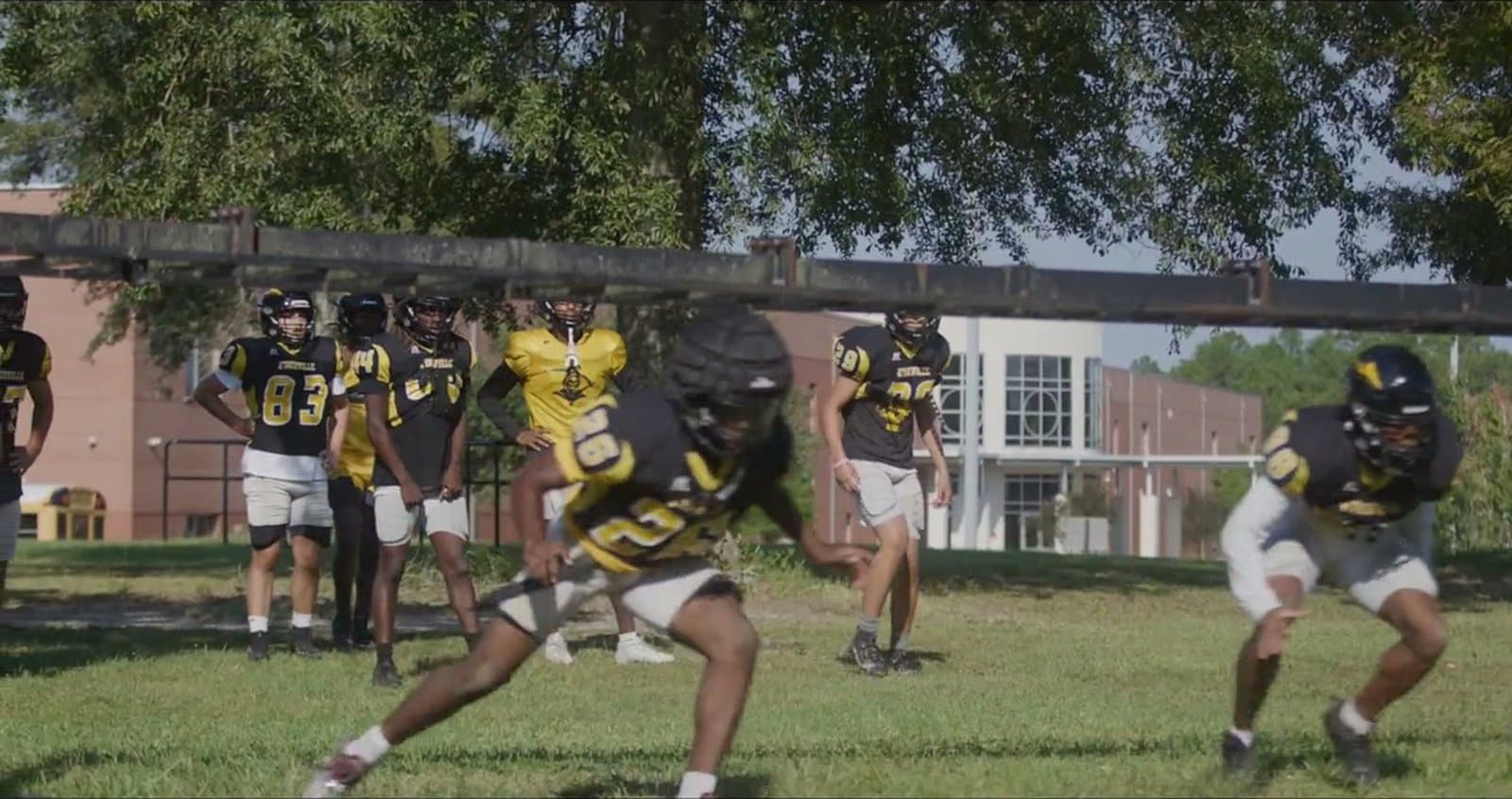
The 40-yard dash is one of the most important measurables for football players at every level. Whether you are preparing for a high school combine, a college showcase, or just want bragging rights at your next training session, improving your 40 time requires a structured approach to training. Here is our 5-step guide.
Step 1: Master Your Start Position
The first 10 yards of a 40 are almost entirely about your start. A poor start position can cost you 2 to 3 tenths of a second before you even begin accelerating.
- Get low -- your hips should be higher than your shoulders in the 3-point stance
- Drive at a 45-degree angle for the first 5 yards
- Aggressive arm action -- your arms drive your legs
- Use video analysis to identify and correct start position flaws
Step 2: Build Explosive Power
Speed starts in the weight room. The ability to produce force rapidly is what separates fast athletes from average ones.
- Trap bar deadlifts for posterior chain power
- Box jumps and depth jumps for reactive strength
- Sled pushes and resisted sprints for horizontal force production
- Single-leg RDLs for unilateral strength and balance
Step 3: Improve Sprint Mechanics
Raw strength means nothing if you cannot apply it efficiently. Sprint mechanics coaching is the bridge between gym gains and on-field speed.
- Knee drive: high knees create longer ground contact leverage
- Ground contact time: faster athletes spend less time on the ground per step
- Arm action: straight-line arm drive eliminates rotational energy waste
- Posture transition: move from 45-degree drive angle to upright sprint position smoothly
Step 4: Prioritize Recovery
Speed training is neurologically demanding. Your nervous system needs recovery between sprint sessions to adapt and improve.
- Normatec compression between sessions for circulation and soreness relief
- Cold plunge therapy to manage inflammation from high-intensity training
- 8 to 9 hours of sleep per night -- non-negotiable for speed athletes
Step 5: Test, Track, and Adjust
You cannot improve what you do not measure. Regular testing keeps your training honest and allows your coach to adjust programming in real time.
- Timed sprints every 4 to 6 weeks
- Force plate testing to measure power output improvements
- Video analysis to track mechanical changes
- Adjust programming based on data, not feelings