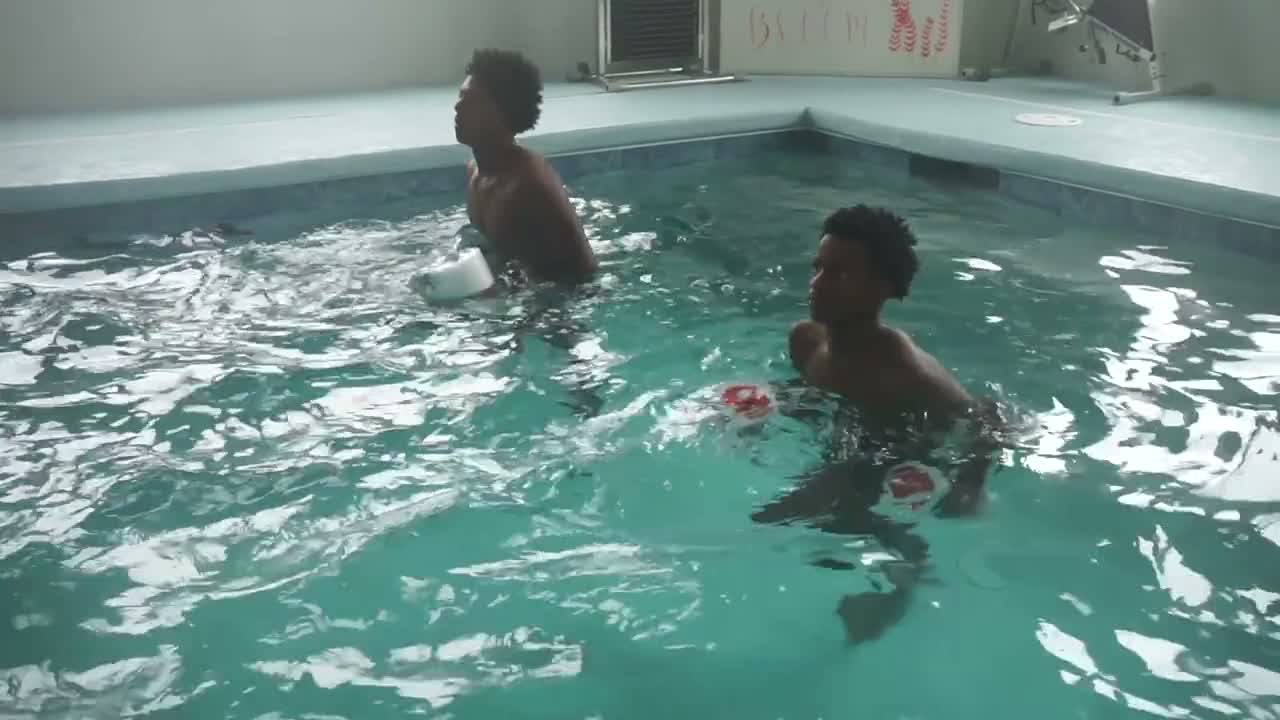
If your child is a student athlete, there's a good chance their schedule looks something like this: morning practice, a full day of school, afternoon practice or a game, homework, and then maybe some sleep before doing it all again. It's a demanding cycle, and most young athletes push through soreness and fatigue without ever thinking about recovery.
But here's what many parents and coaches don't realize — active recovery for student athletes isn't optional. It's one of the most important parts of athletic development, and skipping it leads to burnout, injuries, and declining performance.
At NeoFit Performance in D'Iberville, Mississippi, recovery is built into every training program we design. Here's why it should be part of your young athlete's routine too.
What Is Active Recovery?
Active recovery refers to low-intensity movement and targeted recovery techniques performed on rest days or after intense training sessions. Unlike passive recovery — which is simply doing nothing and hoping your body heals — active recovery deliberately promotes blood flow, reduces muscle stiffness, and supports the body's natural repair processes.
Active recovery can include things like light jogging or walking, dynamic stretching and mobility work, foam rolling and soft tissue work, swimming or cycling at low intensity, yoga or controlled breathing exercises, and professional recovery modalities like Normatec compression therapy and cold plunge sessions.
The key distinction is that active recovery keeps the body moving without adding training stress. You're not trying to get faster or stronger during an active recovery session. You're helping your body bounce back so it's ready to perform at its best during the next hard session.
Why Student Athletes Need It More Than They Think
Young athletes are often told to "push through" soreness and fatigue. And while mental toughness is important, ignoring recovery is a recipe for overtraining, injury, and long-term damage to a developing body.
Their Bodies Are Still Growing
Student athletes between the ages of 12 and 18 are going through massive physical changes. Their bones are still developing, their growth plates are vulnerable, and their muscles and tendons are adapting to new demands. Training hard without adequate recovery puts additional stress on a body that's already working overtime just to grow.
Active recovery helps manage that stress by promoting blood flow to recovering tissues, reducing inflammation, and maintaining joint mobility — all of which support healthy development alongside athletic training.
Overuse Injuries Are Epidemic in Youth Sports
According to the American Academy of Pediatrics, overuse injuries account for nearly half of all sports injuries in middle school and high school athletes. These include stress fractures, tendinitis, and conditions like Osgood-Schlatter disease and Little League elbow.
The primary cause? Too much training intensity and volume without enough recovery. Active recovery days give the body a chance to repair microtrauma before it accumulates into a full-blown injury.
At NeoFit Performance, we've seen athletes come to us after months of nagging pain that could have been prevented with proper recovery programming. Our sports performance training programs always include structured recovery to keep athletes healthy and on the field.
Performance Actually Improves With Rest
This is the part that surprises most people. Your body doesn't get stronger during a workout — it gets stronger during recovery. Training creates stress and damage. Recovery is when your body repairs that damage and comes back stronger.
Without adequate recovery, athletes plateau or even regress. They feel sluggish, their reaction times slow down, and their risk of injury skyrockets. With proper active recovery, they show up to each training session fresher, more focused, and able to push harder when it counts.
Mental Health and Burnout Prevention
The pressure on student athletes is real. Between school, sports, social life, and the constant push to perform, mental fatigue is just as much of a concern as physical fatigue.
Active recovery sessions provide a mental break from high-intensity competition. Practices like yoga, controlled breathing, and light movement have been shown to reduce cortisol levels (the body's primary stress hormone) and improve mood. For a student athlete dealing with the stress of a big game week or exam season, that mental reset is invaluable.
What an Active Recovery Day Looks Like
At NeoFit Performance, we build active recovery days into our athletes' programs based on their sport, training schedule, and competition calendar. Here's an example of what a recovery session might look like for a high school athlete:
Foam rolling (10 minutes). We target the major muscle groups — quads, hamstrings, glutes, upper back, and calves — to break up adhesions and improve tissue quality. This isn't a relaxing spa treatment; effective foam rolling requires specific techniques and intentional pressure.
Dynamic mobility work (15 minutes). This includes controlled movements like hip circles, thoracic spine rotations, ankle mobility drills, and shoulder openers. The goal is to restore full range of motion and address any tightness from recent training.
Light cardiovascular activity (15-20 minutes). A bike ride, a walk, or a light jog at conversational pace. The purpose is to increase blood flow without adding training stress. Heart rate should stay well below training zones.
Recovery modality (15-20 minutes). At NeoFit Performance, we offer Normatec compression therapy and cold plunge sessions that take recovery to the next level. These tools enhance circulation, reduce inflammation, and accelerate the body's natural repair processes far beyond what stretching alone can achieve.
Breathing and mindfulness (5 minutes). We finish every recovery session with intentional breathing work. This activates the parasympathetic nervous system — the body's "rest and digest" mode — and sends a powerful signal that it's time to recover.
Common Recovery Mistakes Parents and Athletes Make
Treating Rest Days as "Do Nothing" Days
Sitting on the couch all day isn't optimal recovery. Light movement promotes blood flow and prevents stiffness. Active recovery keeps the body in motion without adding stress.
Using Soreness as a Measuring Stick
Many young athletes believe that if they're not sore, they didn't work hard enough. This is one of the most dangerous mindsets in youth sports. Soreness is not an indicator of a good workout — it's an indicator of stress that the body hasn't recovered from yet.
Ignoring Sleep
No recovery tool can replace quality sleep. Student athletes need 8-10 hours per night for optimal recovery and performance. If your child is training hard but only sleeping 6 hours, no amount of foam rolling or compression therapy will make up the difference.
Skipping Recovery Because "There's No Time"
This is the most common excuse we hear, and we understand — schedules are packed. But even 15-20 minutes of intentional recovery work makes a meaningful difference. It's an investment that prevents the much larger time cost of dealing with an injury.
Recovery Is Part of the Training
At NeoFit Performance in D'Iberville, MS, we don't treat recovery as an afterthought. It's a core component of every training program we build. When a student athlete trains with us, they learn not just how to get faster and stronger, but how to take care of their body for the long haul.
Our facility includes dedicated recovery equipment and tools, and our coaches are trained to guide athletes through effective recovery protocols tailored to their sport and training demands.
If your young athlete is training hard but not recovering smart, they're leaving performance on the table — and putting their body at risk.
Want to give your student athlete the complete training experience? Book a free intro session at NeoFit Performance and see what real sports performance training looks like.
---
NeoFit Performance is located in D'Iberville, Mississippi, serving student athletes across the Gulf Coast including Biloxi, Gulfport, Ocean Springs, Pascagoula, and surrounding communities.
---
